Co-Creating the Future: Reflections from HKWYSC 2026
Event: 3rd Hong Kong World Youth Science Congress and Xiangjiang Nobel Forum 2026 Dates: April 12–16, 2026 Location: Hong Kong Convention and Exhibition Centre, Hong Kong
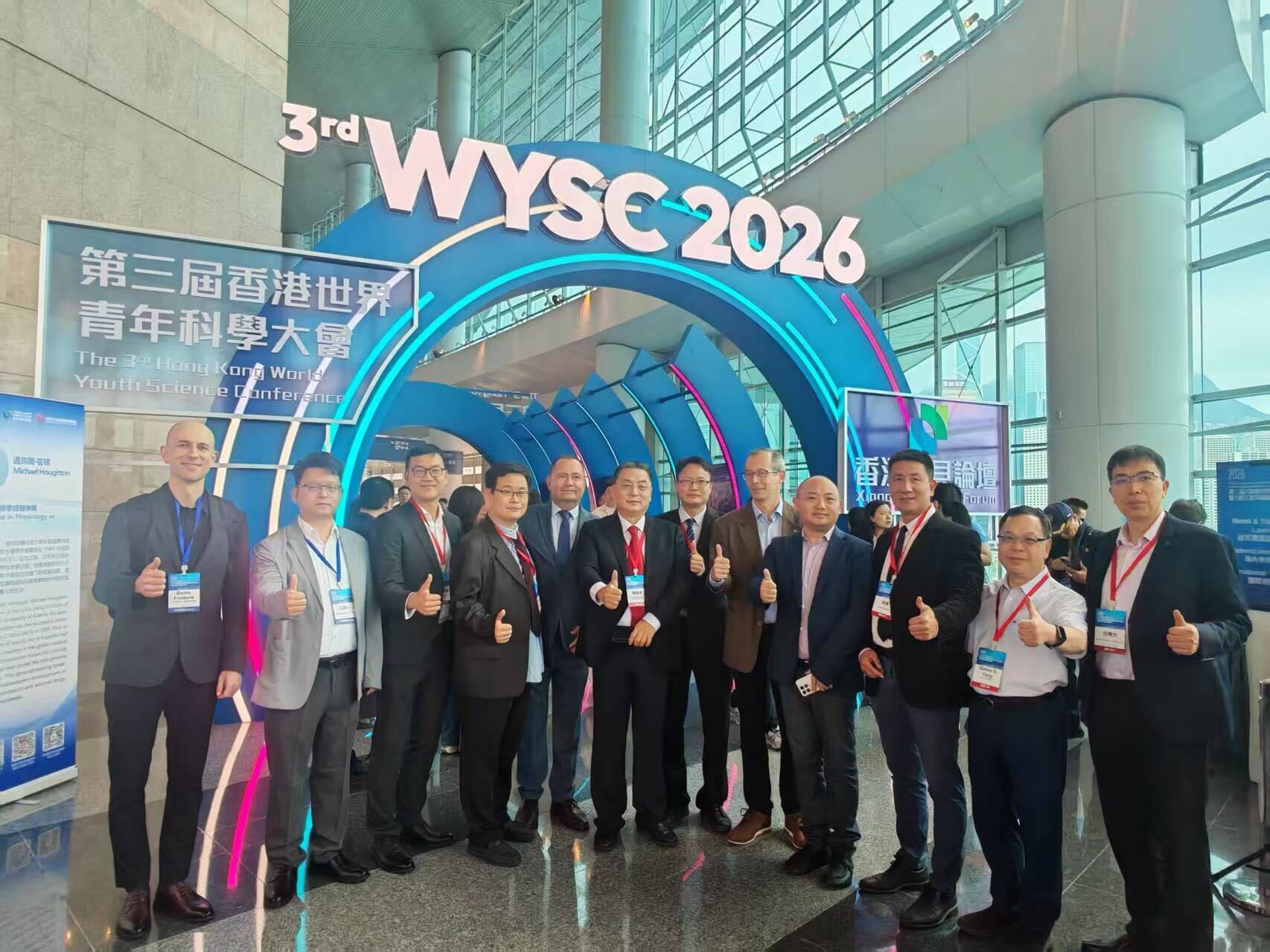 Conference participants at the 3rd Hong Kong World Youth Science Congress and Xiangjiang Nobel Forum 2026.
From April 12 to 16, 2026, I attended the 3rd Hong Kong World Youth Science Congress and Xiangjiang Nobel Forum in Hong Kong. The event brought together Nobel laureates, Turing Award recipients, academicians, entrepreneurs, students, international organizations, and innovation and technology enterprises from the Chinese Mainland and more than 30 countries and regions. It was held during Hong Kong’s Business of Innovation and Technology Week, which made the conference feel less like a single gathering and more like one part of a larger regional push to connect frontier research, talent, and industry.
The most striking feature of the congress was its scale of encounter. The official opening described more than 1,000 innovation-focused participants, more than 100 academics from China and overseas, representatives from more than 20 international institutions and organizations, and more than 300 I&T enterprises from the Mainland and Macao. Those numbers mattered, but the more meaningful impression was the density of conversation: AI, biomedicine, robotics, quantum technology, green energy, commercialization, and cross-border collaboration were not treated as separate themes. They were presented as parts of the same challenge: how research becomes useful, responsible, and globally connected.
The theme, “Co-Creating the Future with the World,” captured what I took away from the week. Scientific progress is no longer only a matter of individual laboratories or national systems. It depends on shared platforms, trust between institutions, and the ability to translate ideas across disciplines and borders. Hong Kong was an appropriate setting for that message. Speakers repeatedly emphasized Hong Kong’s role as a connector between China and the world, and the conference itself made that role visible through its mix of universities, government agencies, international organizations, companies, and young researchers.
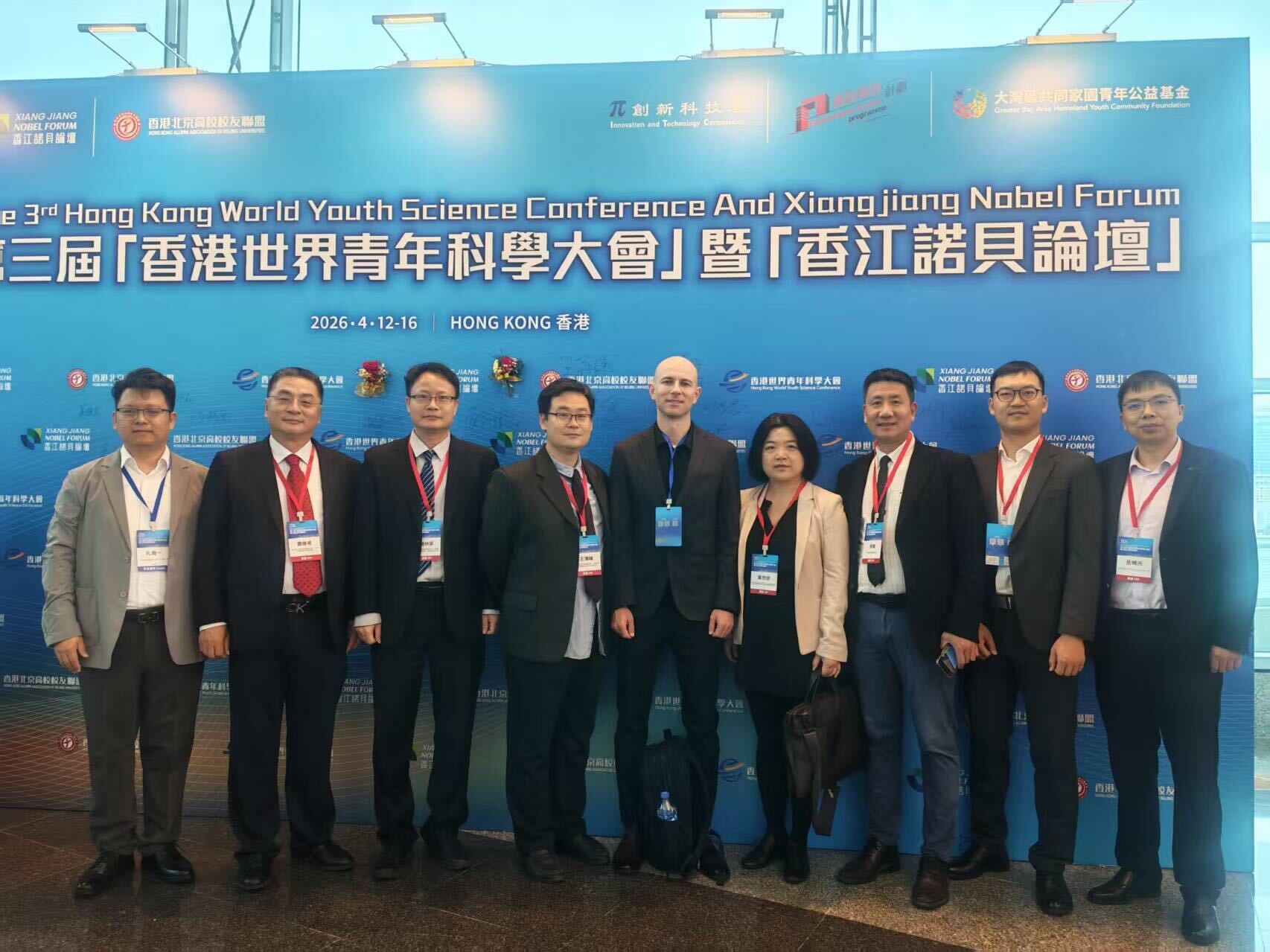 Group photo at the 3rd Hong Kong World Youth Science Congress and Xiangjiang Nobel Forum.
Several sessions made the discussion of artificial intelligence especially concrete. AI was not presented simply as a fashionable tool or a replacement for scientific judgment. The better conversations treated it as an accelerator for discovery: a way to search larger design spaces, recognize patterns in complex data, and connect experimental work with faster iteration. At the same time, the conference made clear that AI only becomes meaningful when it is paired with domain knowledge, reliable data, strong institutions, and human responsibility. For young scientists, that was an important reminder. Technical ability is necessary, but it is not enough on its own.
I was especially interested in the way the congress linked scientific excellence with commercialization. The Beijing-Tianjin-Hebei-Hong Kong-Macao Sci-tech Innovation Achievement Exhibition, held alongside InnoEX, showed how universities and research teams are expected to move beyond publications and toward deployment. CUHK’s participation, including five awarded projects, was one example of this broader direction. The exhibition helped make the policy language of “innovation ecosystem” tangible: there were researchers explaining technologies, institutional partners looking for collaboration, and public-sector leaders paying attention to how ideas might become products, services, or platforms.
Memorable Speakers
Among the many distinguished participants, three speakers stood out as particularly memorable because their work directly illustrated the congress’s central themes.
Avi Wigderson, recipient of the Turing Award, gave the discussion of artificial intelligence a deeper theoretical foundation. His research on randomness and computation, complexity theory, and quantum computation has shaped how we understand the fundamental limits and possibilities of computing. At the congress, the presence of this level of theoretical rigor was a reminder that AI is not only an engineering challenge but also a mathematical one. Wigderson’s career exemplifies the kind of long-term, curiosity-driven research that eventually makes applied breakthroughs possible.
Konstantin Novoselov, Nobel laureate in Physics, represented the bridge between fundamental science and material innovation. His isolation of graphene — a single-atom-thick sheet of carbon with extraordinary strength, conductivity, and transparency — opened entirely new avenues in materials science and electronics. The congress’s emphasis on commercialization and technology transfer found a natural parallel in Novoselov’s trajectory: a discovery that began in a university laboratory and is now enabling flexible electronics, high-speed transistors, and advanced sensors.
Michael Levitt, Nobel laureate in Chemistry, brought the biomedical dimension into sharp focus. His pioneering work in computational biology and molecular dynamics, recognized with the 2013 Nobel Prize, has transformed how scientists model complex biological systems. In the context of the congress, Levitt’s career underscored two messages that appeared throughout the week: first, that computational methods are now essential to life-science research; and second, that scientific excellence must be paired with ethical responsibility. His presence reinforced the idea that the future of health technology depends on researchers who understand both the power and the limits of their tools.
The China-Europe Scientists Forum added another layer to the experience. Its presence reinforced the idea that science diplomacy is built through repeated contact rather than one-off announcements. CESF’s ongoing participation in the Hong Kong congress and its planned 2026 forum in Frankfurt point to a growing Asia-Europe network around artificial intelligence, advanced manufacturing, clinical medicine, intelligent diagnostics, and related fields. The 2026 China-Europe Scientists Forum events in Frankfurt are confirmed for October 29–31, 2026, as listed on the official AIAM 2026 website. This forum continues to position itself as a bridge between academic exchange and applied innovation.
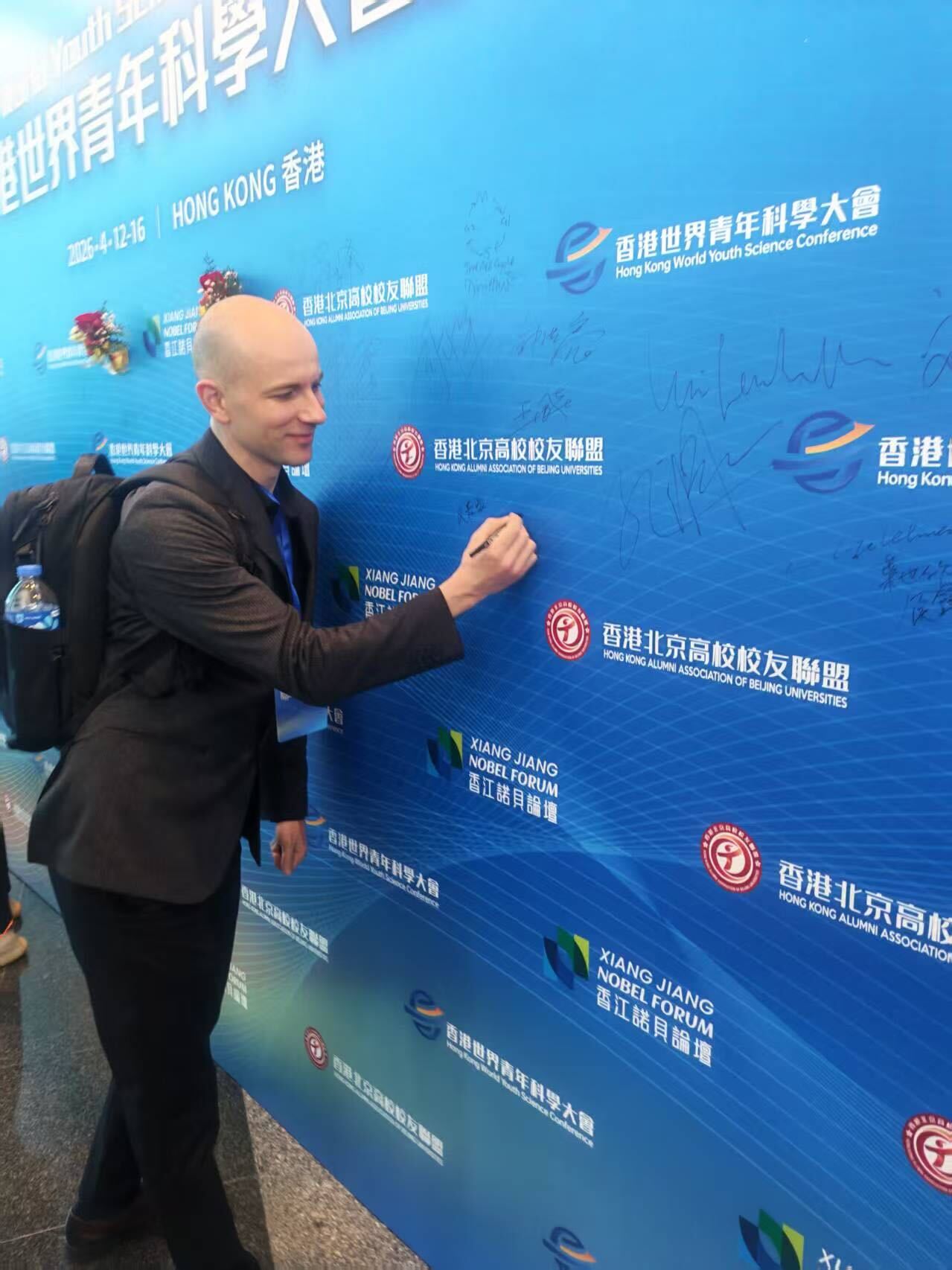 A speaker signs the HKWYSC 2026 conference wall.
Beyond the formal program, the event left a personal impression because of the atmosphere around it. Inside the venue, the language was about future industries, research translation, and international cooperation. Outside, Hong Kong itself gave the event a sense of movement: dense, connected, and visibly shaped by global exchange. That contrast is part of what made the trip memorable.
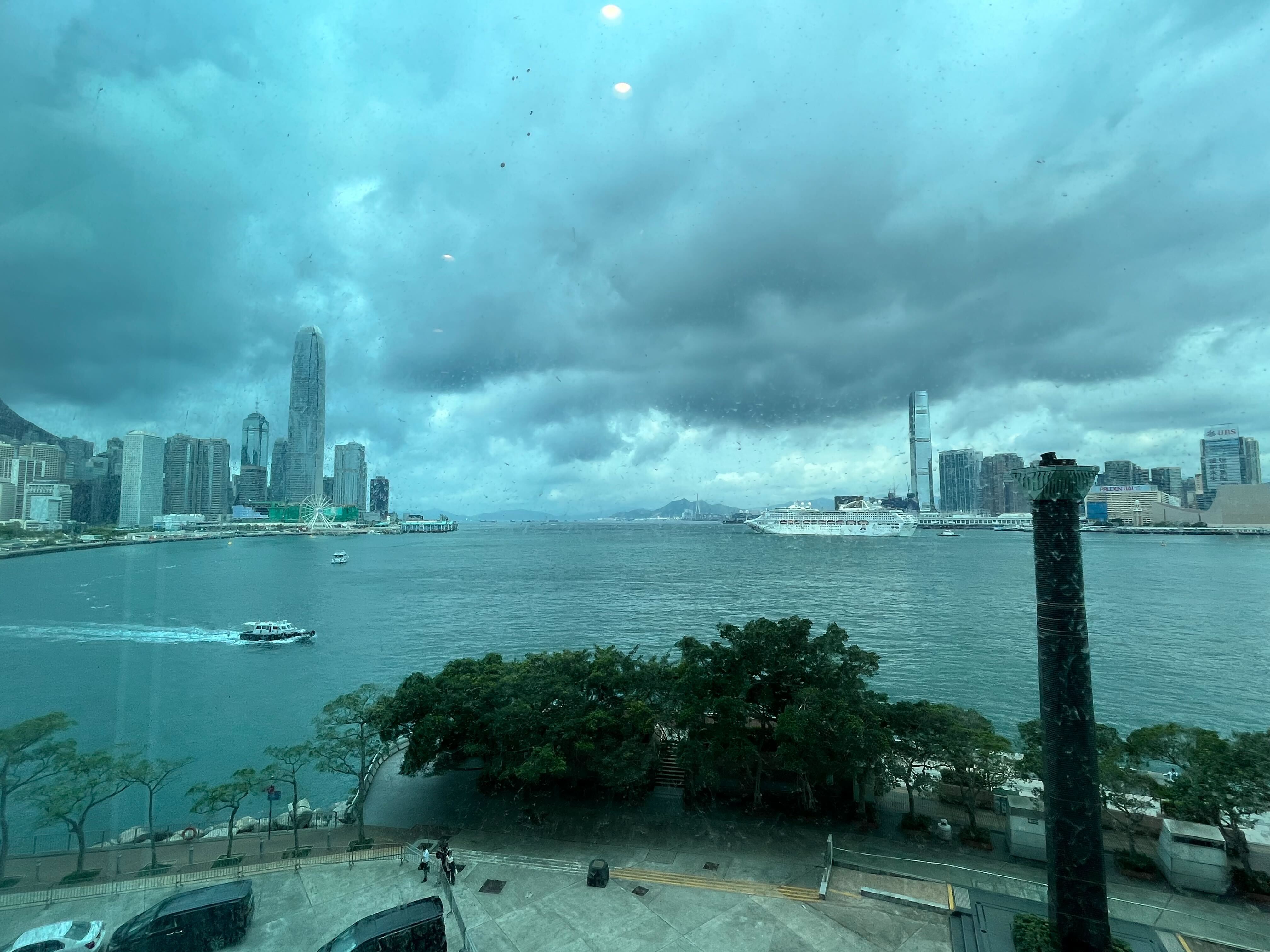 Hong Kong skyline viewed during the congress week.
My main reflection is that young scientists need to prepare for a world in which research, policy, entrepreneurship, and international collaboration are increasingly intertwined. The congress was not only about listening to distinguished speakers. It was also a reminder that the next generation of researchers will be asked to communicate across cultures, work with industry, understand the social implications of technology, and build partnerships that last longer than a single project.
I left HKWYSC 2026 with a clearer sense of the kind of scientific work that matters now: work that is excellent in its own field, open to collaboration, realistic about implementation, and aware of its public responsibilities. The future will not be created by technology alone. It will be co-created by people and institutions willing to connect knowledge with purpose.
References
- Event website: hkwysc.com
- HKSAR Government press release, Chief Executive’s opening ceremony speech, April 12, 2026: info.gov.hk
- HKSAR Government press release, Secretary for Innovation, Technology and Industry speech, April 12, 2026: info.gov.hk
- CUHK InnoPort event highlight: innoport.cuhk.edu.hk
- CUHK KTO event highlight: kto.cuhk.edu.hk
- AIAM 2026 / China-Europe Scientists Forum public event page: icaiam.com